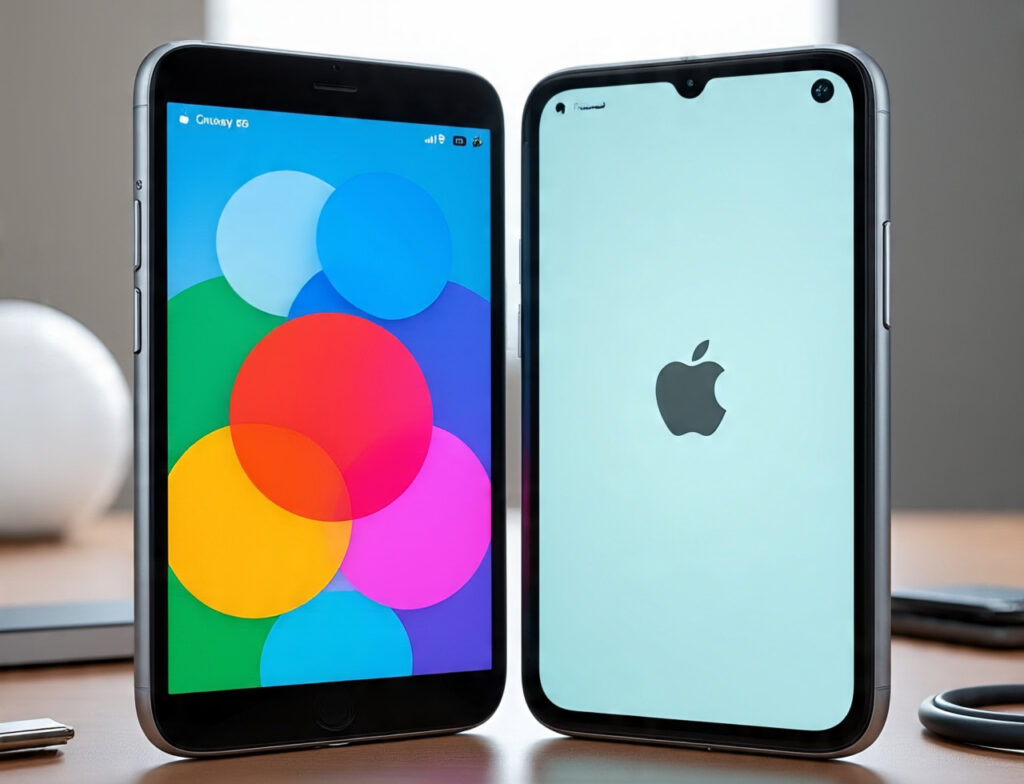

The debate between Android vs iOS has shaped the smartphone industry for more than a decade, and in 2025, it is more relevant than ever. Both platforms have evolved into powerful, mature operating systems that deliver excellent performance, security, and user experience. Yet, they continue to differ significantly in philosophy, flexibility, pricing, ecosystem integration, and long-term value.
For many users, choosing between Android and iOS is not just about features—it is about lifestyle, habits, and priorities. This detailed 3,000-word comparison explores every important aspect of Android and iOS to help you decide which is better for you in 2025.
Understanding Android and iOS: Core Differences
Before comparing features, it is important to understand the core philosophy behind each platform.
What Is Android?
Android is an open-source operating system developed by Google. It is used by multiple manufacturers, which means Android phones are available across all price ranges—from affordable budget devices to ultra-premium flagship models.
Android focuses on flexibility, customization, and user choice. Manufacturers can modify the software to create their own user interfaces, which leads to variety but also differences in experience.
What Is iOS?
iOS is Apple’s proprietary mobile operating system designed exclusively for the iPhone. It is a closed ecosystem, meaning Apple controls both hardware and software.
iOS emphasizes consistency, optimization, privacy, and ease of use. Every iPhone runs the same core version of iOS, ensuring a uniform experience across devices.
Device Variety and Pricing Options
Android: Choice for Every Budget
One of Android’s biggest strengths is device variety. Users can choose from:
- Entry-level smartphones
- Mid-range value-focused phones
- High-end flagship devices
- Specialized phones for gaming, photography, or rugged use
This variety allows Android to cater to students, professionals, and enthusiasts alike.
iOS: Premium-Focused Lineup
Apple releases a limited number of iPhone models each year. While this means fewer choices, it also ensures consistency in quality and support.
iPhones typically cost more upfront, but they retain strong resale value and receive long-term software updates.
Verdict: Android wins in choice and affordability, while iOS focuses on premium quality and longevity.
User Interface and Customization
Android Customization Freedom
Android is known for deep customization options. Users can:
- Change launchers and icons
- Customize home screens and widgets
- Set default apps
- Modify system behavior
This flexibility appeals to users who enjoy personalizing their devices.
iOS Simplicity and Consistency
iOS offers limited but refined customization. Apple focuses on a clean interface, smooth animations, and ease of navigation.
Recent versions of iOS have introduced widgets and personalization options, but the system remains more controlled than Android.
Verdict: Android leads in customization, while iOS excels in simplicity and polish.
Performance and System Optimization
Android Performance
Android performance depends on hardware quality and software optimization by the manufacturer. High-end Android phones deliver excellent performance, while lower-end devices may feel less responsive.
iOS Performance
iOS is tightly optimized for Apple hardware. Even older iPhones often run smoothly due to efficient system-level integration.
Verdict: iOS offers more consistent performance across devices; Android performance varies by model.
App Ecosystem and App Quality
Android App Ecosystem
Android offers a vast selection of apps and allows greater freedom, including alternative app stores and sideloading.
iOS App Ecosystem
iOS apps are known for quality control, stability, and early access to new features.
Verdict: Android offers flexibility; iOS offers refined app quality.
Read More : Best Budget Smartphones in 2025: Complete Buyer’s Guide to Affordable and Value-for-Money Phones
Software Updates and Long-Term Support
Android Updates
Software updates on Android depend on the manufacturer. Some brands offer long-term support, while others lag behind.
iOS Updates
iPhones receive direct updates from Apple for many years, often longer than most Android devices.
Verdict: iOS clearly leads in software update consistency and longevity.
Security and Privacy
Android Security
Android includes strong security features but allows more user freedom, which can increase risk if misused.
iOS Security
iOS emphasizes privacy, strict app permissions, and data protection.
Verdict: iOS is generally considered more privacy-focused, though Android is secure when used responsibly.
Ecosystem and Device Integration
Android Ecosystem
Android works with a wide range of devices across brands and platforms.
Apple Ecosystem
Apple’s ecosystem offers seamless integration between iPhone, Mac, iPad, Apple Watch, and AirPods.
Verdict: Apple offers tighter integration; Android offers broader compatibility.
Camera Experience and Multimedia
Android Cameras
Android phones offer diverse camera hardware and features depending on the brand.
iPhone Cameras
iPhones focus on consistent photo quality and industry-leading video recording.
Gaming and Entertainment
Android offers flexibility and device variety for gaming, while iOS offers stable performance and optimized titles.
Battery Life and Charging Technology
Android phones often feature larger batteries and faster charging, while iPhones prioritize efficiency and battery health.
Value for Money
Android provides better options at lower price points. iPhones justify higher prices through longevity, updates, and resale value.
Who Should Choose Android?
Android is ideal for users who want customization, affordability, and device variety.
Who Should Choose iOS?
iOS is ideal for users who prefer simplicity, security, long-term updates, and ecosystem integration.
Common Myths About Android and iOS
Android is not inherently unsafe, and iOS is no longer completely rigid in customization.
Frequently Asked Questions (FAQs)
Android vs iOS decisions depend on user needs, not universal superiority.
Final Verdict: Android vs iOS in 2025
The Android vs iOS debate has no single winner. Android excels in flexibility, choice, and affordability, while iOS stands out for optimization, privacy, and ecosystem strength.
In 2025, both platforms are excellent. The better option is the one that aligns with your daily usage, budget, and personal preferences.