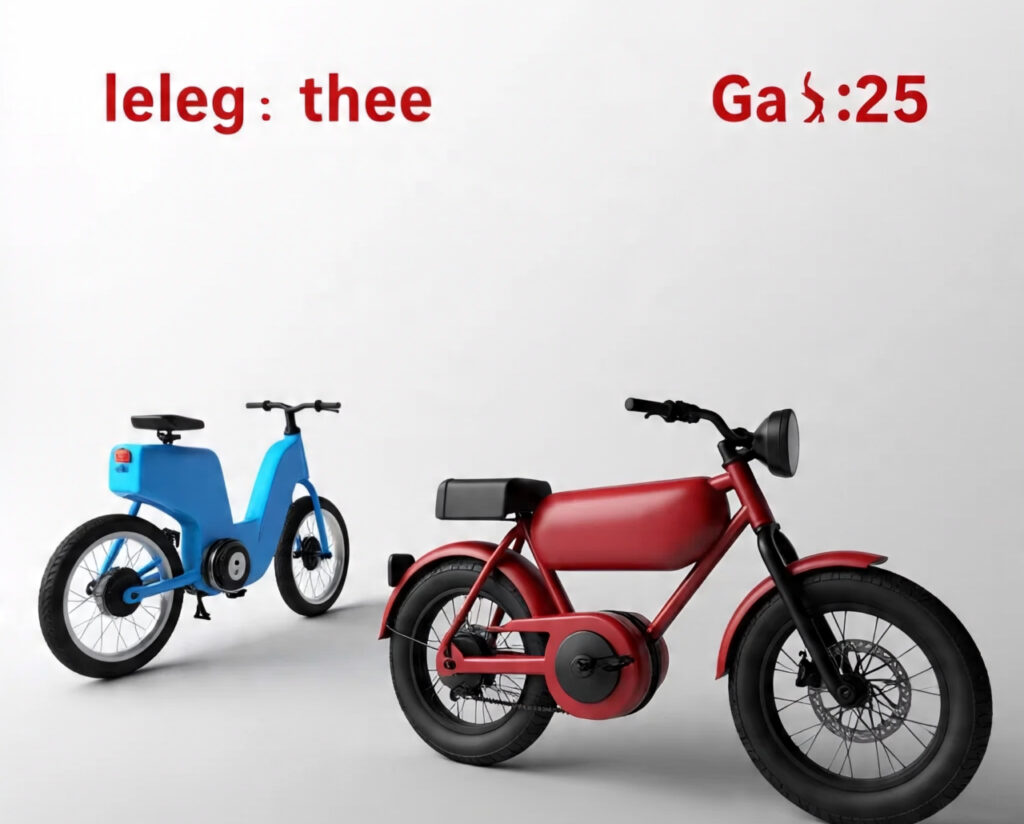

The comparison between electric bikes vs petrol bikes has become one of the most important topics in the two-wheeler industry. In 2025, riders are no longer choosing a bike based only on speed, styling, or brand reputation. Factors such as running costs, charging or refueling convenience, environmental impact, maintenance requirements, government regulations, and long-term ownership value now play a major role.
Electric bikes have evolved rapidly, offering better range, stronger performance, and improved reliability. At the same time, petrol bikes continue to dominate in versatility, long-distance touring, and enthusiast appeal. This Contents breaks down every critical aspect of electric and petrol bikes to help you decide which option suits your riding needs best.
Understanding the Core Difference Between Electric and Petrol Bikes
To make the right choice, it is essential to understand how electric and petrol bikes differ at a fundamental level.
What Is an Electric Bike?
An electric bike (electric motorcycle) is powered by an electric motor and a rechargeable battery. Instead of burning fuel, it uses stored electrical energy to move.
Key Characteristics of Electric Bikes:
- Electric motor-driven powertrain
- Rechargeable lithium-ion battery
- Instant torque delivery
- No exhaust emissions
- Quiet and smooth operation
Electric bikes are designed to be efficient, low-maintenance, and environmentally friendly.
Read More: Top Adventure Bikes for Long-Distance Touring in 2025: The Ultimate Guide for Serious Riders
What Is a Petrol Bike?
A petrol bike uses an internal combustion engine that runs on gasoline. It relies on mechanical components such as pistons, crankshafts, gearboxes, and exhaust systems.
Key Characteristics of Petrol Bikes:
- Fuel-based internal combustion engine
- Manual or automatic transmission
- Engine sound and vibration
- Wide variety of models and segments
Petrol bikes have a long history and remain the most common type of motorcycle worldwide.
Riding Experience and Overall Feel
Riding an Electric Bike
Electric bikes provide a very different riding experience compared to petrol bikes. Power delivery is smooth, immediate, and linear.
Electric Bike Riding Traits:
- Instant acceleration from a standstill
- No gear shifting
- Silent or near-silent ride
- Minimal vibration
This makes electric bikes especially comfortable in traffic-heavy urban environments.
Riding a Petrol Bike
Petrol bikes deliver a traditional and mechanical riding experience that many riders still love.
Petrol Bike Riding Traits:
- Progressive power delivery
- Manual gear shifting
- Engine sound and feedback
- Strong emotional connection
Verdict: Electric bikes feel modern and effortless, while petrol bikes feel engaging and mechanical.
Acceleration, Speed, and Performance
Electric Bike Performance
Electric bikes are known for their quick acceleration due to instant torque. At low and medium speeds, many electric bikes feel faster than petrol bikes.
However, performance can taper off at higher speeds depending on battery and motor limitations.
Petrol Bike Performance
Petrol bikes generally offer higher top speeds and sustained performance over long distances. High-capacity petrol bikes dominate performance-oriented segments.
Verdict: Electric bikes win in instant acceleration; petrol bikes win in top-end performance.
Range, Mileage, and Energy Efficiency
Range of Electric Bikes
Electric bikes offer a fixed riding range that depends on battery capacity, riding style, speed, and terrain.
Factors Affecting Range:
- Riding speed
- Load and passenger weight
- Weather conditions
- Use of regenerative braking
Mileage of Petrol Bikes
Petrol bikes can travel long distances and be refueled quickly. This makes them more flexible for unpredictable routes.
Verdict: Petrol bikes offer better long-distance convenience; electric bikes are efficient for predictable daily use.
Charging vs Refueling Convenience
Charging an Electric Bike
Charging an electric bike requires access to a power source. Charging times vary depending on charger type.
Charging Considerations:
- Home charging convenience
- Public charging availability
- Charging duration
Refueling a Petrol Bike
Petrol bikes can be refueled in minutes at widely available fuel stations.
Verdict: Petrol bikes are more convenient for long trips; electric bikes are convenient for home-based daily use.
Running Costs and Daily Expenses
Electric Bike Running Costs
Electric bikes have very low running costs because electricity is cheaper than fuel and there are fewer moving parts.
Petrol Bike Running Costs
Petrol bikes incur higher fuel expenses and frequent servicing costs.
Verdict: Electric bikes are significantly cheaper to run daily.
Maintenance and Servicing Requirements
Maintaining an Electric Bike
Electric bikes require minimal maintenance. There is no engine oil, clutch, or exhaust system.
Maintaining a Petrol Bike
Petrol bikes require regular oil changes, engine servicing, and mechanical maintenance.
Verdict: Electric bikes are easier and cheaper to maintain.
Read More: Sports Bikes vs Naked Bikes: Which Is Better in 2025? A Complete Comparison Guide for Riders
Environmental Impact and Sustainability
Environmental Benefits of Electric Bikes
Electric bikes produce zero tailpipe emissions, reducing air pollution and noise levels in cities.
Environmental Impact of Petrol Bikes
Petrol bikes emit greenhouse gases and contribute to air and noise pollution.
Noise Levels and Riding Comfort
Electric bikes are nearly silent, reducing rider fatigue and urban noise pollution. Petrol bikes produce engine noise, which some riders enjoy but others find tiring.
Technology, Features, and Innovation
Electric bikes often feature advanced digital dashboards, smartphone connectivity, regenerative braking, and riding modes. Petrol bikes also offer modern electronics in premium models.
Safety Features and Rider Aids
Both electric and petrol bikes in 2025 include modern safety features such as:
- ABS
- Traction control
- Riding modes
- Regenerative braking (electric)
Purchase Cost and Affordability
Electric bikes typically have higher upfront costs due to battery technology. Petrol bikes offer a wider range of affordable options.
Government Policies and Future Regulations
Many governments promote electric vehicles through incentives and stricter emission regulations, which may impact petrol bikes in the future.
Daily Commuting: Electric vs Petrol Bikes
Electric bikes are ideal for daily commuting due to low costs, smooth performance, and ease of use. Petrol bikes offer more flexibility for longer or unpredictable routes.
Long-Distance Touring and Highway Use
Petrol bikes remain better suited for long-distance touring due to quick refueling and extended range. Electric bikes are improving but still face infrastructure limitations.
Ownership Experience and Long-Term Value
Electric bikes offer hassle-free ownership and predictable costs. Petrol bikes offer emotional appeal and established resale markets.
Common Myths About Electric and Petrol Bikes
- Electric bikes are not slow anymore
- Petrol bikes will not disappear overnight
- Electric bikes are not only for cities
Frequently Asked Questions (FAQs)
Are electric bikes cheaper in the long run?
Yes, due to lower running and maintenance costs.
Can electric bikes replace petrol bikes completely?
Not yet, especially for long-distance touring and remote travel.
Future of Electric Bikes and Petrol Bikes
Electric bikes will continue to grow with better batteries, faster charging, and wider adoption. Petrol bikes will remain relevant for enthusiasts, touring riders, and performance lovers.
Final Verdict: Electric Bikes vs Petrol Bikes in 2025
The electric bikes vs petrol bikes debate has no universal winner. Electric bikes are perfect for urban commuting, low running costs, and eco-conscious riders. Petrol bikes remain unmatched for long-distance travel, performance, and emotional riding experience.
In 2025, the best bike is the one that fits your lifestyle. If your riding is mostly city-based and predictable, an electric bike makes practical sense. If you value flexibility, touring capability, and traditional performance, a petrol bike is still the better choice.